Congratulations to all involved in the National Writing Project’s (NWP) new Digital Is site, which launched the first week of November when we recorded this podcast!
Take a look at all the wonderful work that has been collected and curated so far by NWP teachers from all over the United States at http//digitalis.nwp.org/
Once you’ve checked out those great resources and provocations, listen to the creators, collectors, and curators of this exciting new site on this episode of Teachers Teaching
Teachers.
As Christina Cantrill wirtes:
The National Writing Project’s Digital Is website is a teaching-focused knowledge base exploring digital
writing, teaching and learning. It invites participation in developing
this knowledge base in several ways – visitors can find a range of
teaching-focused collections and resources here related to digital writing, teaching and learning as well as become community members and participate in discussions. Also, after participating and getting a sense of the site, one can write to us and apply to be a resource creator. Resource creators can draft and compose multimodal resources here, get and give feedback to other resource creators, and publish.
Paul Allison, Susan Ettenheim, and Chris Sloan welcomed five of our friends and colleagues to this episode of Teachers Teaching Teachers:
 Christina Cantrill
who works at the National Writing Project as a Senior Program Associate
for the NWP Technology Initiative and Digital Is project
. Bud Hunt, who made this collection on Digital Is: What’s New, or What’s Good: On Writing Connectively.
 Elyse Eidman-Aadahl who directs
National Programs and Site Development at the National Writing Project.
She also moderates one of our favorite webcasts/podcasts, NWP Radio.
Elyse Eidman-Aadahl who directs
National Programs and Site Development at the National Writing Project.
She also moderates one of our favorite webcasts/podcasts, NWP Radio.
 Bill Fitzgerald who runs the Drupal shop, FunnyMonkey. Bill designed Digital Is, and is currently working on an update of Youth Voices.
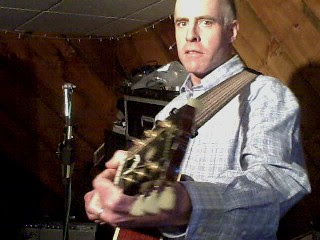 Kevin Hodgson teaches sixth grade in Southampton, Massachusetts at the William E. Norris
Elementary School. He is also
the technology liaison with the Western Massachusetts Writing Project. Check out how many different ways Kevin shows up on Digital Is!
Kevin Hodgson teaches sixth grade in Southampton, Massachusetts at the William E. Norris
Elementary School. He is also
the technology liaison with the Western Massachusetts Writing Project. Check out how many different ways Kevin shows up on Digital Is!
We talked with our friends about the importance of commenting. Over
the last several years, those of us who have been building Youth Voices have learned how important it is to teach and nurture commenting, not just posting new posts all the time.
Join the excitement! Digital Is promises to be an important touchstone for communities of learners in the National Writing Project and beyond, and we suspect that the quality of the discussions on the site will soon be as important as the quality of the resources.
With this episode of TTT, we celebrate the launch of Digital Is and to think about the role of commenting in building new communities of learning on this site.
Unfortunately the chat log for this podcast is unavailable.